
Interprofessional Aging and Palliative Care Certificate (Online)
Why Choose Wurzweiler in NYC for Your Advanced Certificate
A leader in social work education since 1957, the Wurzweiler School of Social Work offers a fully online program for professionals and graduate students seeking to better support older adults, people with serious illness and family caregivers.
We equip clergy, social workers, chaplains, nurses, mental health professionals, and graduate students with the skills to improve the quality of life for older adults, individuals with serious illness, and their family caregivers.
Global Learning Community
Students and faculty from around the world, diverse backgrounds and experience
Personal Attention
Typical class sizes of 6-10 students encourage close interaction with faculty for advanced study
Values-Driven Practice
We prepare students to support clients’ social, emotional and spiritual needs
NYS Approved Certificate
Credits may count towards your future MSW
Expert Faculty
Learn from social work and clergy experts
Individualized Guidance
You will be assigned a faculty advisor to guide you through academic studies, oversee and assess your field experience
Interprofessional Aging and Palliative Care Certificate Program Highlights
6 Courses, 18 Credits,
8-Week Terms
Fully Asynchronous Online
Fall, Spring-A and Spring-B Starts;
1–2 Courses per Term
Complete in 1-2 Years (Based on Course Load)
What You’ll Study: Interprofessional Aging and Palliative Care Advanced Certificate Curriculum

Flexible Advanced Certificate for Clergy, Social Workers, Chaplains, Mental Health Professionals, Nurses and Other Health Professionals
This 18-credit certificate prepares you to provide informed, compassionate care to individuals and families navigating aging and serious illness. Earn it as a standalone credential or apply the credits toward Wurzweiler’s MSW program, with flexible nine-month or two-year completion options.

Holistic Training and Career Preparation
Using a holistic social work approach, students explore biopsychosocial and spiritual needs, advance care planning, end-of-life decisions and bereavement. Graduates are prepared to serve congregants, clients and communities in hospitals, hospices, long-term care, palliative care and community-based settings.

Certificate Courses
Counseling Individuals and Families Facing Aging and Serious Illness | Psychosocial/Spiritual Approaches to Aging and Serious Illness | Interfaith Perspectives on Aging | Gerontology | Coping with Loss | Palliative Care: Social Work Practice with Serious Illness
Admissions & How to Apply


Tuition, Scholarships & Financial Aid
Tuition is $838 per course for clergy, social workers, and chaplains and $518 per course for graduate students. Social Work CEUs are also available.
Meet Our Advanced Certificate Faculty
Our Faculty
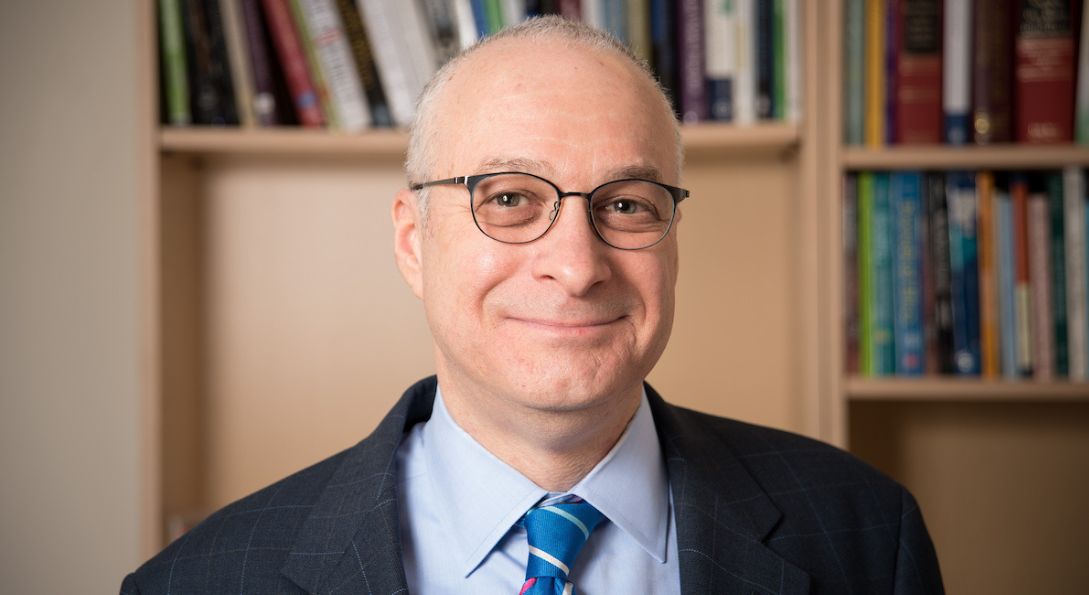
Gary L. Stein, JD, MSW
Gary L. Stein, JD, MSW, is a Professor at the Wurzweiler School of Social Work – Yeshiva University, where has taught social policy, health care practice, palliative care, and health care ethics in the Master’s and Doctoral program since 2006.
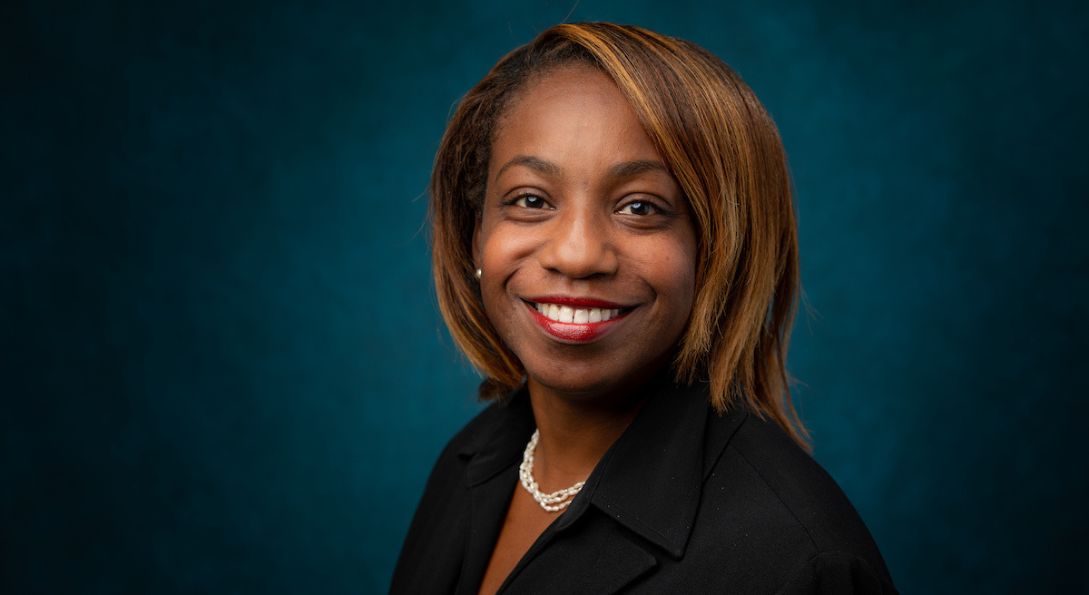
Laurie Blackman, PhD, MSW
Social Work educator and Gerontology specialist focused on Aging, Racial Inequity, and Older Adult Caregiving.
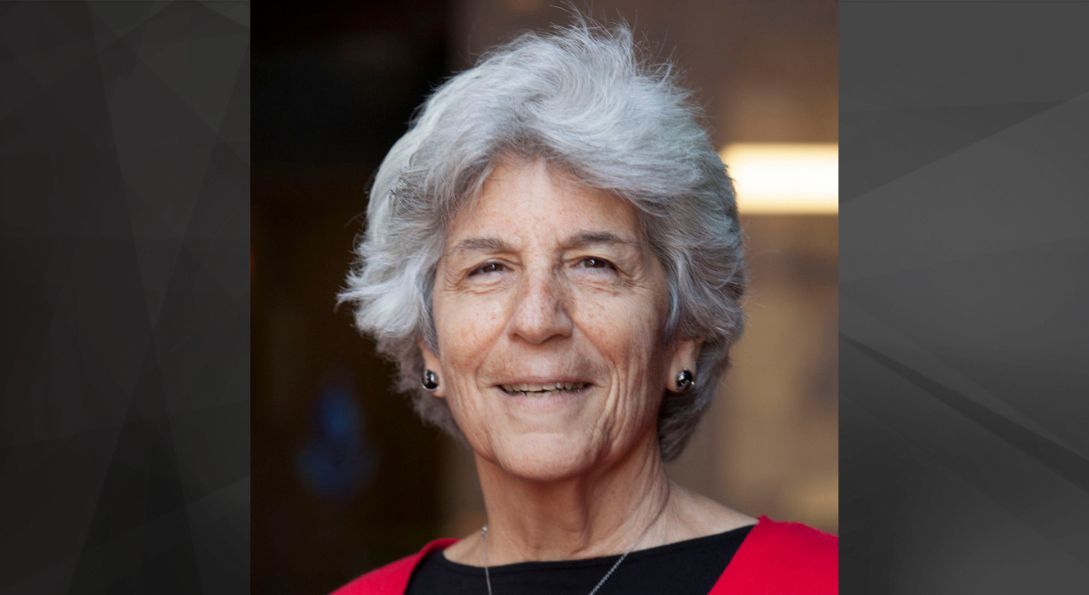
Joan Beder, DSW, MSW
Expert in clinical social work with focus on community mental health and family therapy.
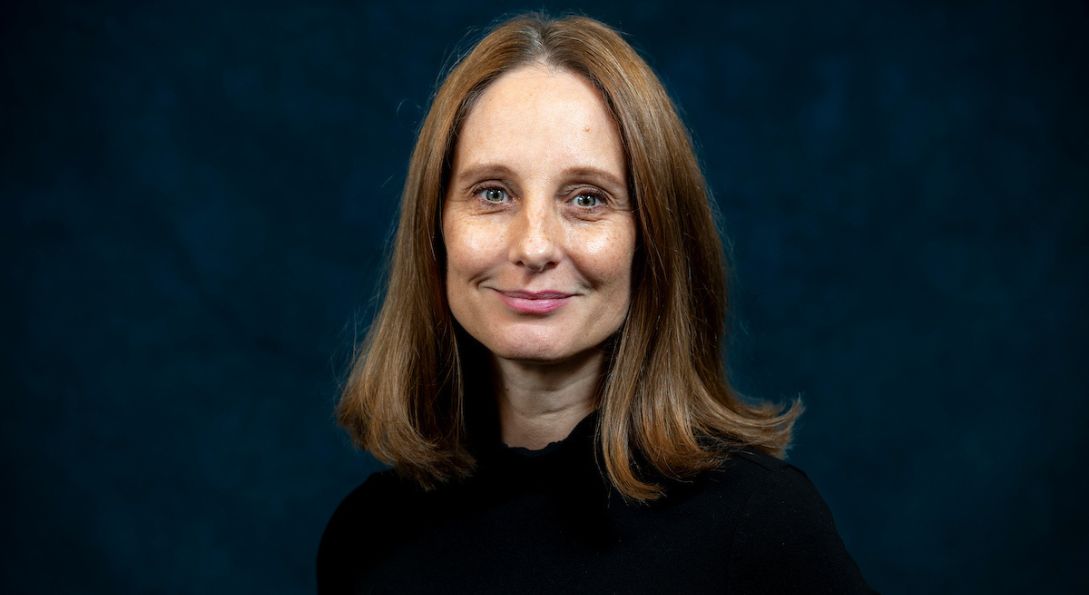
Jessica M. Kahn, LMSW, PhD
Career Outlook: What Can You Do with an Interprofessional Aging and Palliative Care Advanced Certificate?
Build the specialized skills to support older adults, individuals with serious illness, and their families through life transitions, caregiving decisions, end-of-life planning and bereavement. This certificate can also enhance career opportunities in hospitals, hospices, long-term care facilities, community organizations and faith-based settings.
Career Paths
Our alumni and students pursue roles such as:
Hospice Social Worker
Palliative Care Specialist
Geriatric Care Manager
Medical Social Worker
Bereavement Counselor
Chaplain
Spiritual Care Coordinator
Patient Advocate
Hospital Care Coordinator
Community Health Program Manager
Geriatric Social Worker
Hospital Care Coordinator
Long-Term Care Social Worker
Palliative Care Social Worker
Medical Social Worker
What Our Students and Faculty Have to Say
Rabbi Shmuel Burnstein
Student
“The knowledge acquired has proven invaluable and has given me greater confidence in addressing the emotional and practical needs of my congregants.”
Ellen Cohn, PhD
Student
“The program helped me in the job market, much more so IN THE JOB. I am now working five days a week in my hospital.”
Rabbi Dr. Richard Address
Faculty Member
“Our curriculum examines the major demographic changes taking place with our communities. We focus on the spiritual, bioethical, and caregiving implications for our congregations and agencies.”

Accreditation & Licensure
Approved by the New York State Department of Education as a free-standing advanced professional certificate

Campus & Location
Learn from the same distinguished Wurzweiler faculty who teach on campus. Through our online platform you’ll enjoy an interactive online learning experience with meaningful discussions, faculty engagement, and the academic quality of an in-person classroom.
Important Resources
Frequently Asked Questions
This program is designed for clergy (of all religious traditions), social workers, chaplains, graduate and seminary students, spiritual leaders, mental health professionals, and nurses. A small number of individuals with other professional backgrounds have been accepted on a case-by-case basis.
Interested MSW students at Wurzweiler register for the MSW Gerontology and Palliative Care Certificate, rather than the Interprofessional Aging and Palliative Care Certificate. Students in the MSW Gerontology and Palliative Care Certificate are eligible to apply for a special scholarship.
Clergy, chaplains, social workers, and other health and mental health professionals are frequently called upon to assist clients, patients, and congregants with issues around aging, serious illness, health issues affecting older adults, end-of-life care, and bereavement. Many practitioners lack the knowledge and skill base to effectively and comfortably discuss, guide, and advise clients and congregants when these issues arise, especially in times of crisis.
For example:
- Considering options that facilitate independent community living for as long as possible.
- Assisting families to manage transitions of care, including difficult discussions about options for long-term care and caregiving.
- Guiding discussions about advance care planning for serious illness and end-of-life care.
Practitioners will gain knowledge and skills to better assist older adults and their family members in addressing these challenging concerns. These skills are also transferable for clergy and mental health practitioners who seek career opportunities and growth in agencies such as long-term care facilities, hospitals, hospices, community organizations, and others.
The program can be completed within one year. Two courses are offered during each 8-week term, with a short break between terms
Participants will take 6 courses of 3-credits each, for a total of 18 graduate-level credits. Courses may be taken in any order; there are no prerequisites.
Example courses include:
- Counseling Individuals and Families Facing Aging and Serious Illness
- Psychosocial/Spiritual Approaches to Aging and Serious Illness
- Social Gerontology
- Palliative Care: Social Work Practice with Serious Illness
- Coping with Loss
- Interfaith Perspectives on Aging
You can find the descriptions for these courses by clicking Curriculum
In addition, we schedule regular continuing education conferences related to aging and palliative care, among other innovative and timely offerings. This program is offered at nominal charge to participants of this program.
Yes. The Interprofessional Aging and Palliative Care Certificate is fully approved by the New York State Department of Education as a free-standing advanced professional certificate.
As a professional certificate, this program is not a substitute for a professional master’s degree or professional licensure.
Yes. Participants without a social work background who later pursue an MSW may apply five certificate courses (15 credits) toward the Wurzweiler MSW program (with the exception of Counseling Individuals and Families). Students must be admitted to the MSW program before transfer credits can be applied.
Students may be waived from one course if they completed a comparable graduate-level course at another accredited institution within the previous five years. A course syllabus must be submitted for faculty review. Waivers are considered on a case-by-case basis.
Each institution determines its own transfer credit policies. Students interested in transferring credits to another university or Clinical Pastoral Education program should consult that institution directly.
For participants entering the Certificate Program in 2026–2027, tuition is $838 per course (6 courses, $5,028 total).
For current clergy-in-training and seminary students, tuition is $518 per course (6 courses, $3,108 total).
Tuition rates are subject to change.
A brief online application is available on the program website. Applicants must also submit a current CV or résumé.
Applicants may use the application fee waiver code:
yufeewaiver
Who can I contact with questions about the program?
Rabbi Liz Rolle
Program Coordinator
liz.rolle@yu.edu
Gary L. Stein, JD, MSW
Director
glstein@yu.edu
The program can be completed within one year. Two courses are offered during each 8-week term, with a short break between terms. If a student opts to take only one course per semester, the program would be completed in two years.