
Clinical Doctorate of Social Work in NYC (DSW)
Why Choose Wurzweiler for Your DSW in NYC
A leader in social work education since 1957, the Wurzweiler School of Social Work is consistently highly rated in both New York City and the nation, attracting students from across the globe.
The DSW program applied through CSWE’s Temporary Alternative Pathway for expedited candidacy and initial accreditation
Global Learning Community
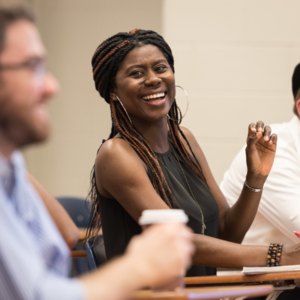
Students and faculty from around the world
Dedicated to Social Work Education
Doctoral-level teaching fellowships provide students with opportunities to develop teaching experience, strengthen instructional skills, and prepare for leadership roles in social work education
Individualized Guidance
Assistance every step of the way for our doctoral students in their scholarly research and writing
Personal Attention
Typical class sizes of 8-12 students encourage close interaction with faculty for advanced study and dissertation preparation. Dedicated writing center
Values-Driven Practice
Grounded in respect for individual beliefs and Jewish social philosophy, we prepare students to support clients’ social, emotional and spiritual needs
DSW Program Highlights
45 Credits
Complete in 3 years
Live Virtual Classroom (Synchronous) & Hybrid Classes
Fall or Spring Start; Full-Time and Part-Time
Evening Classes for Working Professionals
What You’ll Study: DSW Curriculum

Example Courses
Contemporary Theories and Therapy Models of Clinical Practice I | Trauma-Informed Theory, Research, and Treatment Interventions | Leadership and Program Development | Contemporary Theories in Family Psychotherapy | Clinical Supervision | Group Work Practice and Social Work | Social Work Education | Publication Development
Learn more about our DSW curriculum

Independent Grand Challenge Project
Instead of a traditional dissertation, DSW students complete an Independent Grand Challenge project focused on integrating knowledge and skills to develop and disseminate practice-relevant, research-informed knowledge through scholarly work
DSW Admissions & How to Apply

Admissions Requirements
Simplified application process with automatic scholarship consideration. Find information on upcoming deadlines, webinars, application requirements and admissions points of contact on our admissions webpage

Tuition, Scholarships & Financial Aid
You’ll be automatically considered for Wurzweiler scholarships with your completed application. You’ll also be able to access a variety of external scholarships and options for financial aid.
Real Experiences, Real Impact
Our faculty are experts — practitioners, researchers, and policy makers —who keep Wurzweiler at the forefront of the field. Our students & alumni are the heart of Wurzweiler. Hear directly from them below.
Our Faculty
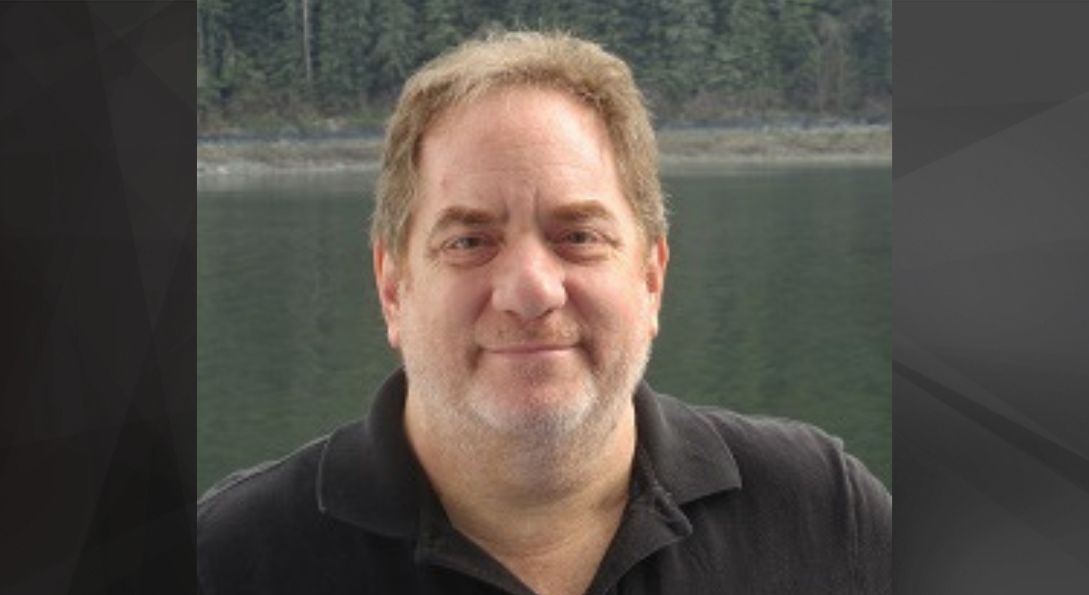
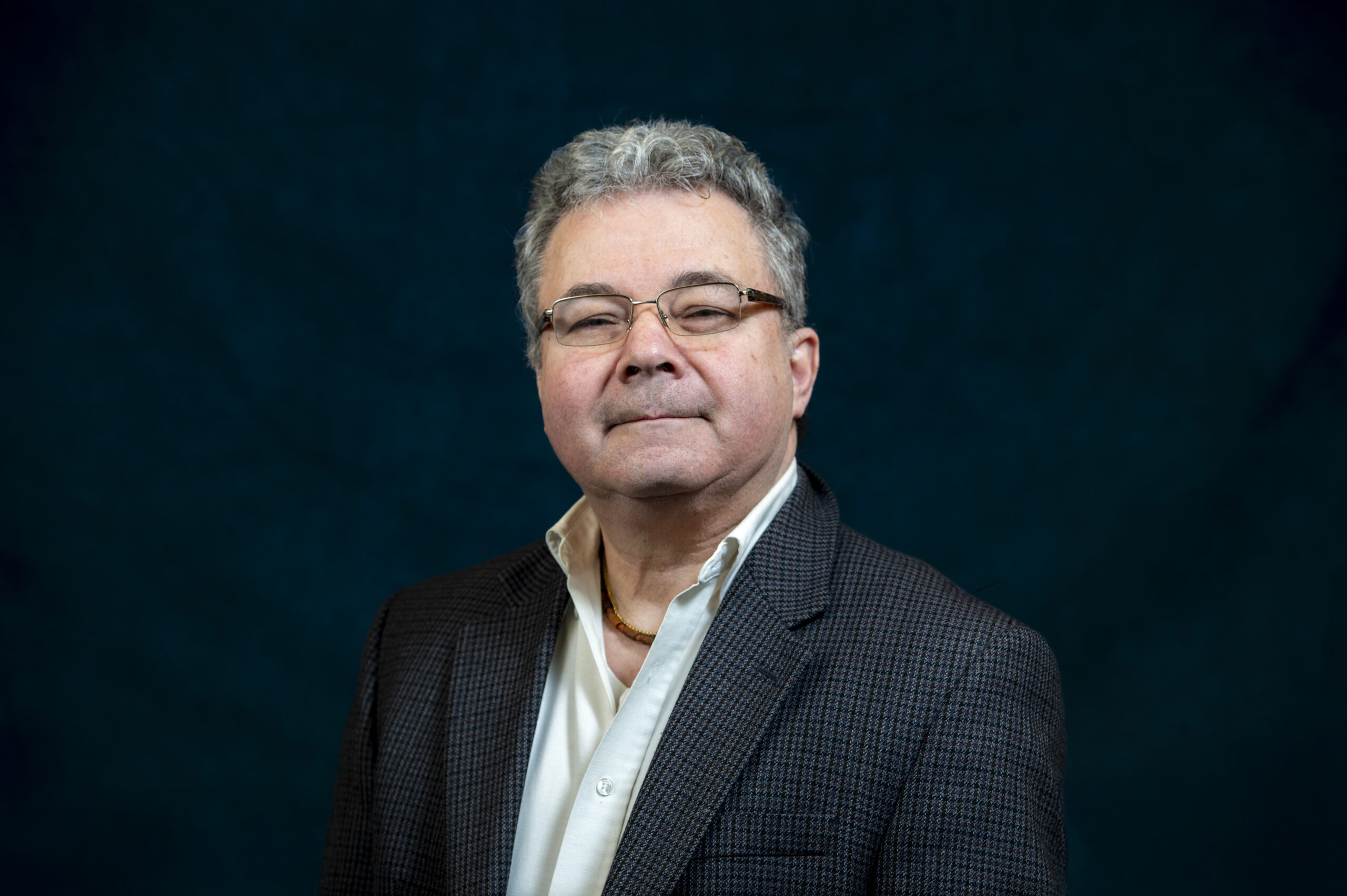
Jay Sweifach, MSW, DSW
Actively contributes to the literature on social work in the Jewish community, ethics, domestic violence, volunteerism, disaster work, group work practice, the Cuban Jewish Community, and sex education in schools. He has presented on these topics both nationally and internationally.
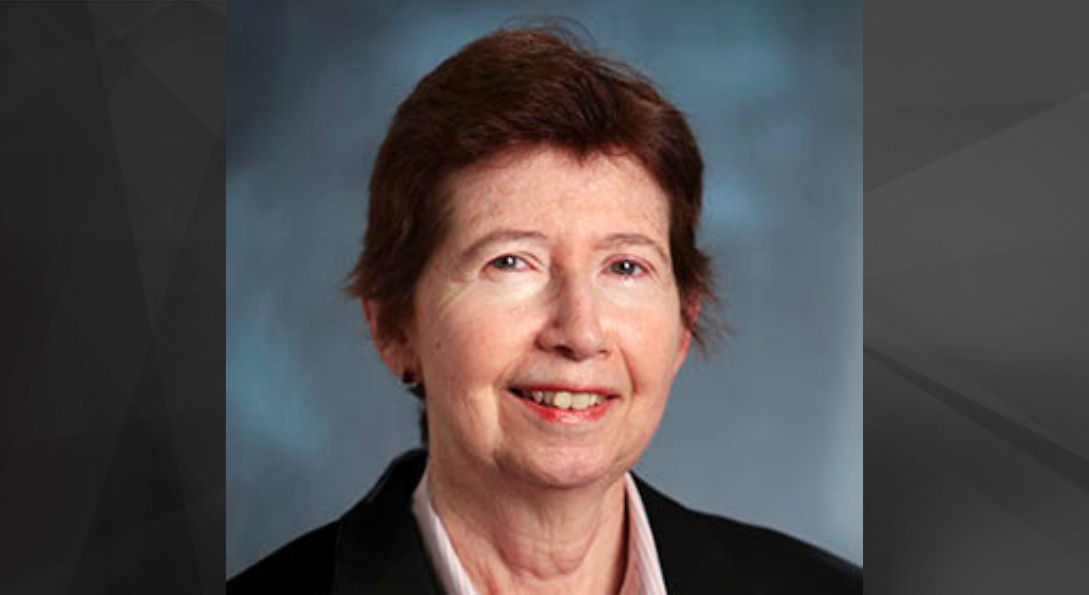
Jessica M. Kahn, LMSW, PhD
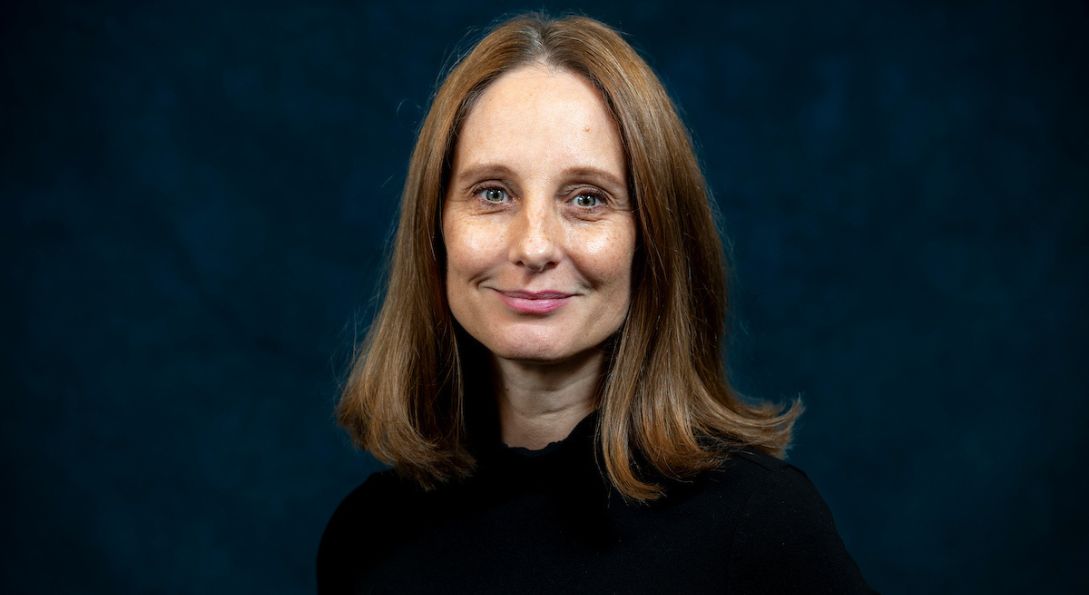
Sari Beth Skolnik, PhD, LCSW, TEP
Expert in Clinical Practice, Creative Arts & Healing, Domestic Violence; Group Work Practice, and Trauma Informed Practice
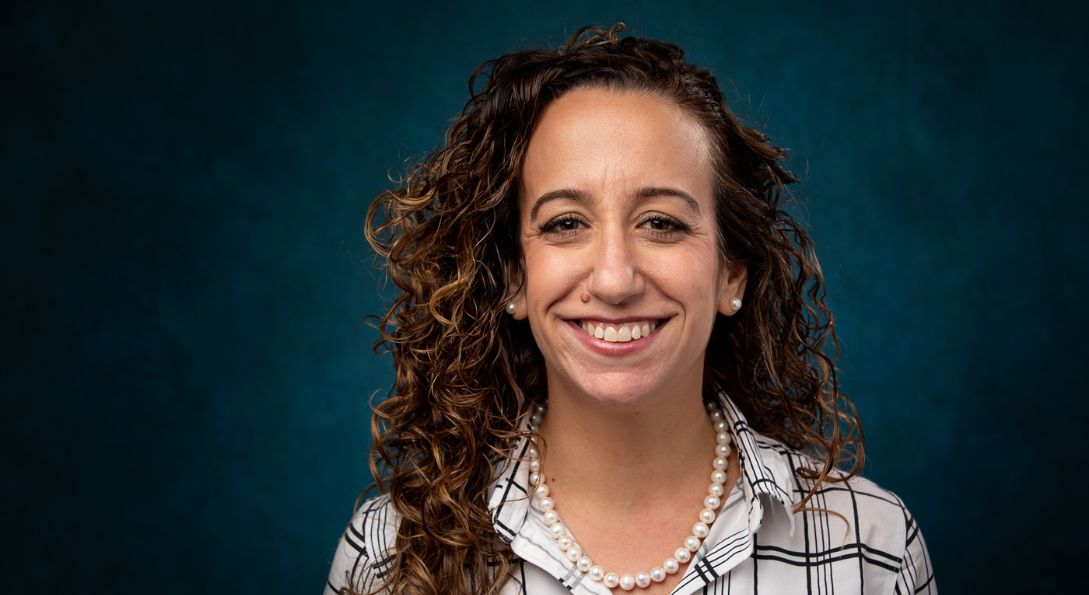
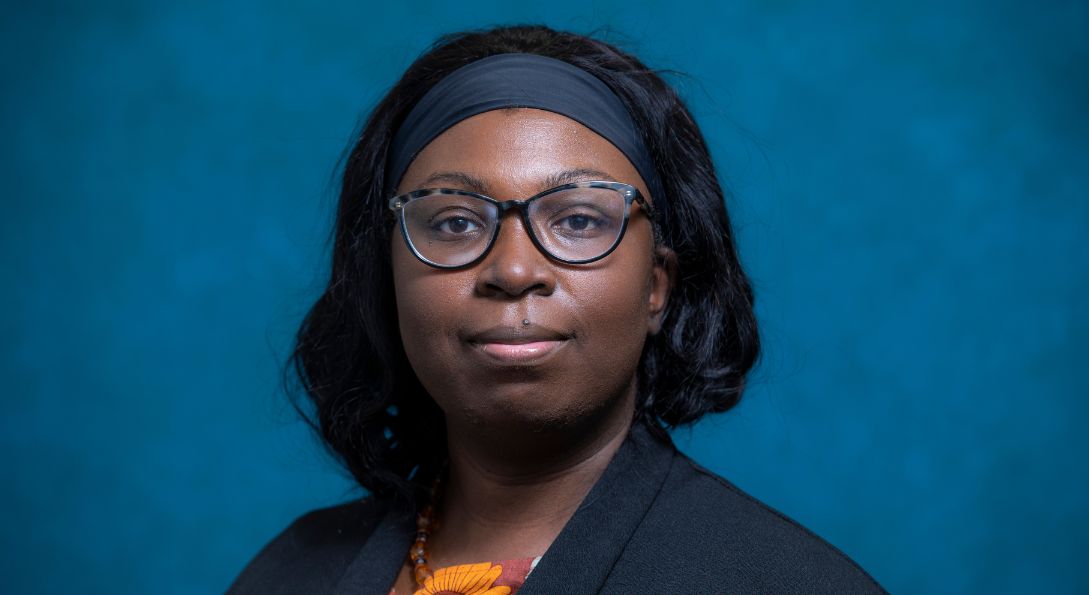
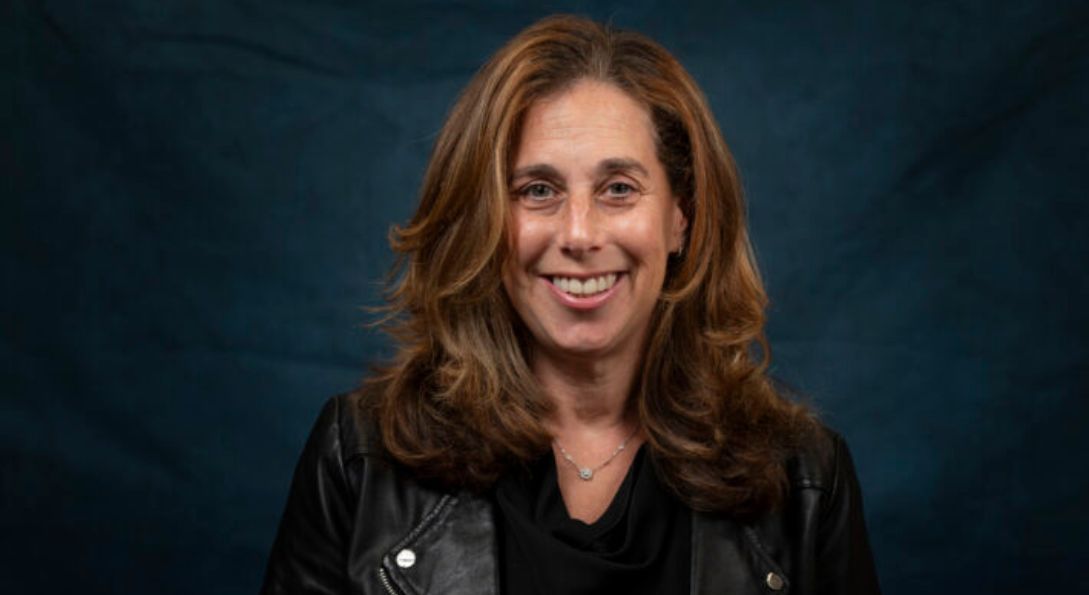
Lisa A. Henshaw, PhD, LCSW
Expert in Trauma Informed Practice, Clinical Practice and Group Work Practice
Career Outlook: What Can You Do with an DSW?
The Wurzweiler Clinical DSW program is designed to enhance the knowledge and skill base of experienced post MSW clinicians who are either in direct practice with a client base, supervisors or administrators of clinical programs.
Demand for advanced social work leaders continues to grow as healthcare systems, behavioral health organizations, and community agencies seek experienced professionals to lead clinical practice, supervision, program development, and organizational change.
DSW Career Paths
Our alumni and students pursue roles such as:
Clinical Director
Social Service Agency Manager or Director
Licensed Clinical Social Worker (LCSW)
Behavioral Health Director
Director of Social Services
Clinical Supervisor
Mental Health Program Director
Healthcare Administrator
Social Work Educator
Private Practice Clinical Social Worker
Chief Behavioral Health Officer
Policy and Program Director
Community Health Strategist
Social Work Researcher
Healthcare Quality Improvement Specialist

Here are just a few of the agencies, institutions and organizations where our graduates have found work:







Student & Alumni Stories
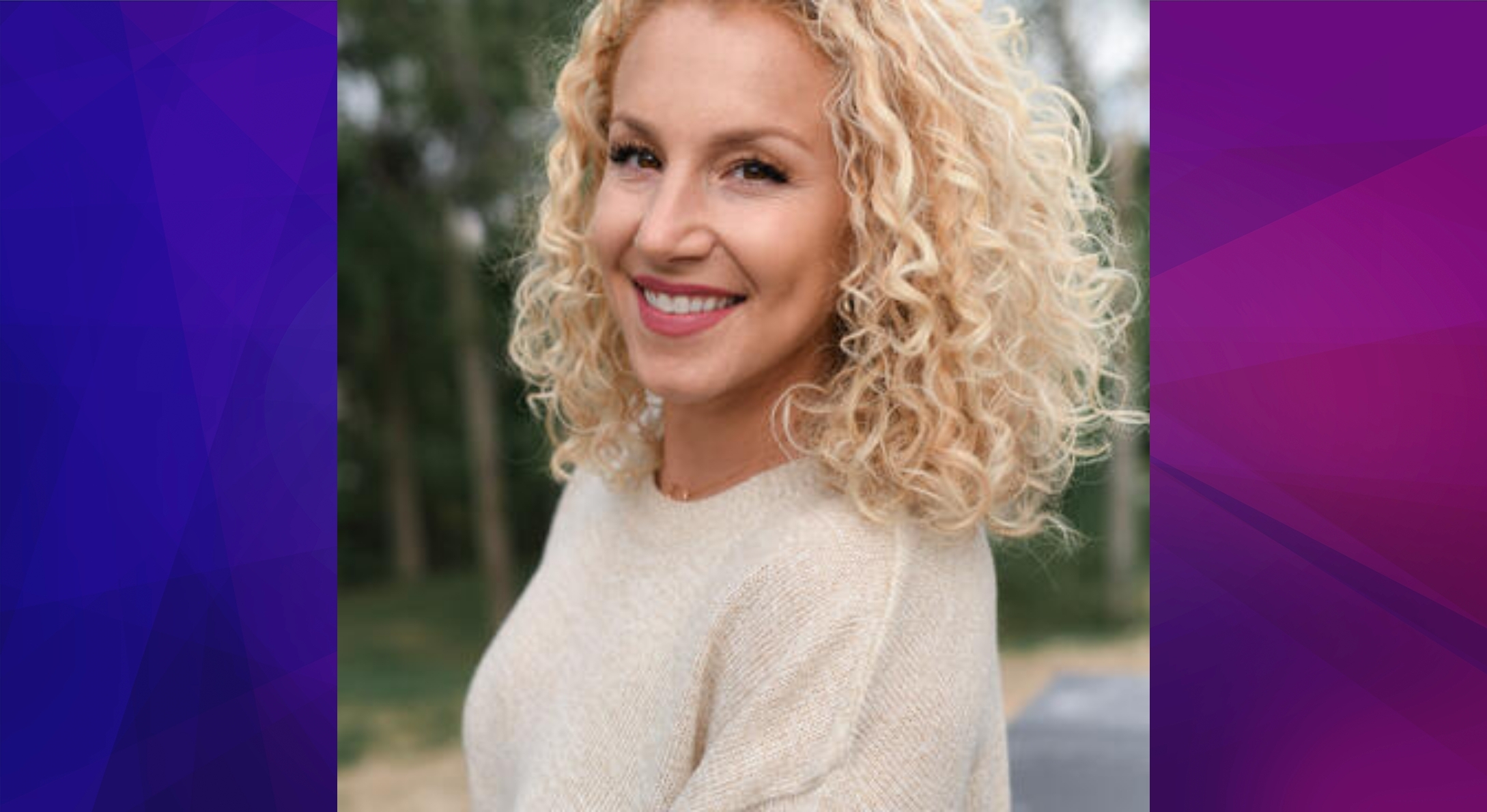
Ashley Baglieri, LCSW-R, CASAC
"I was looking for an education that would elevate my social work skills clinically, academically, and administratively. The DSW program at Wurzweiler is just that!"
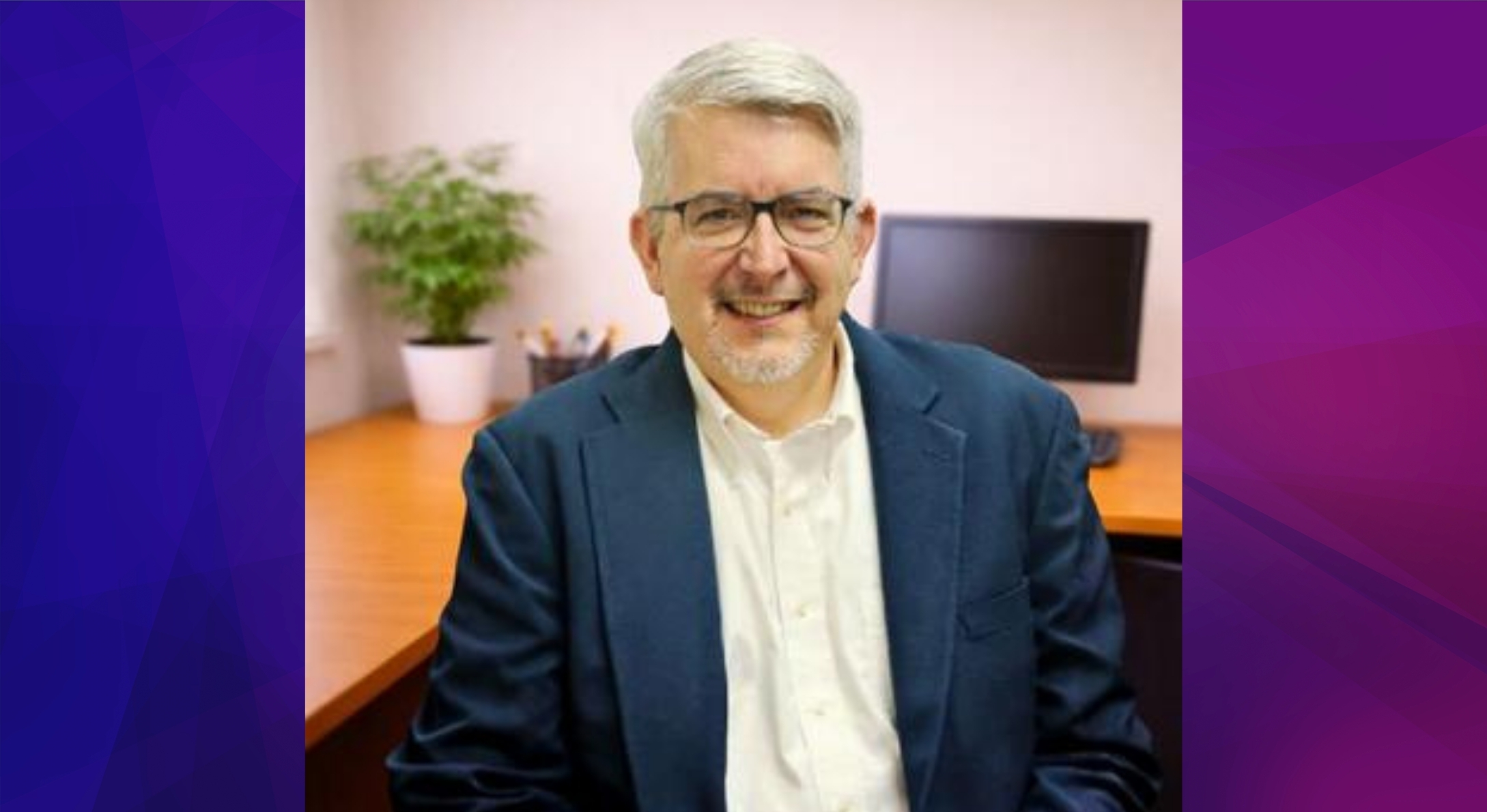
Joseph McCarthy
Dominique Phinn
Karen White
Devorah Weinstein
Lakisha Hamilton, LMSW
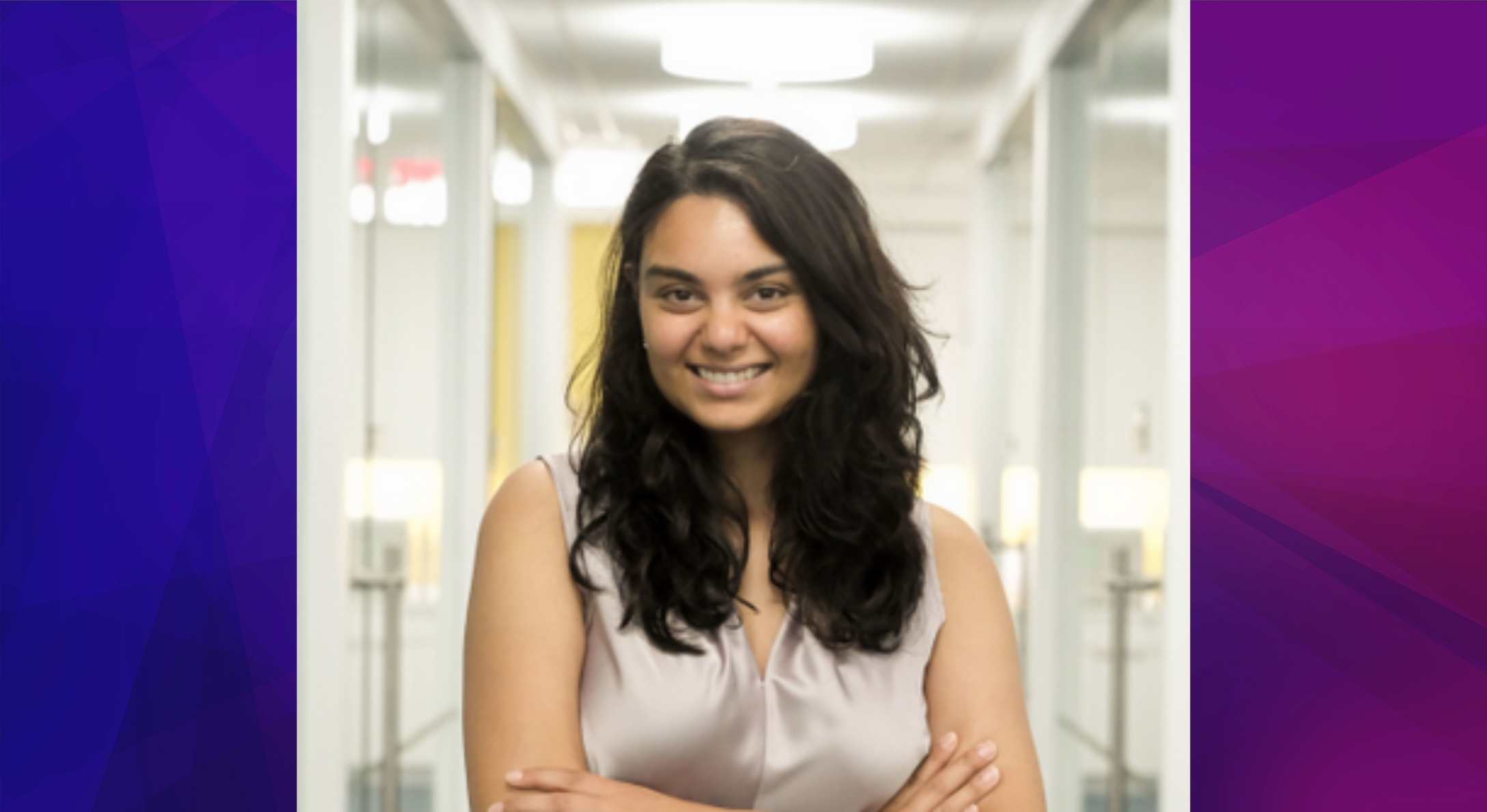
Sabina Saleh, LCSW

Accreditation & Licensure
Wurzweiler’s DSW is Accredited by the Council on Social Work Education (CSWE).
Students who complete the program qualify to take the LCSW exam.

NYC Campus & Location
Located on Yeshiva University’s Wilf Campus in Washington Heights, Manhattan, Wurzweiler School of Social Work provides DSW students with the same top-tier education through our Live Virtual classroom platform as we offer on campus.
Important DSW Student Resources
Deciding Between DSW and PhD?
At WSSW we offer both a PhD in Social Welfare and a Doctorate in Social Work.
Here is a helpful comparison.
PhD
- MSW or a Masters in a related field
- Work experience is not required but preferred
- 3.0 GPA (in both undergraduate and graduate programs)
DSW
- MSW
- Three years post MSW practice experience and currently working in social services or related field
- 3.0 GPA (in both undergraduate and graduate programs)
- Licensure required
PhD
- 51 credits
- Comprehensive Exam
- Dissertation
- Independent Research Project: Defense of Dissertation Proposal & of Dissertation
- Maintain 3.0 GPA
DSW
- 45 credits
- No Comprehensive Exam
- Grand Challenge: Two publishable articles; Oral defense of article content; Presentation at Professional Conference
- Maintain 3.0 GPA
There are important program offering distinctions between the different learning styles.
PhD
- Research and Scholarship
- Academia/Teaching
- Program Evaluation and Policy Analysis
- Administration, Leadership, and Advocacy
DSW
- Advanced Clinical Practice
- Teaching Social Work Practice
- Clinical Practice Evaluation
- Administration, Leadership, and Advocacy
Take the Next Step in Your Social Work Career
Join the next generation of scholars, educators, and influencers in the field of social work.
DSW Frequently Asked Questions
DSW stands for Doctorate in Social Welfare. Upon successful completion of all coursework Wurzweiler School of Social Work will confer the DSW in clinical social work.
The Wurzweiler DSW is a clinically focused doctoral program designed for experienced social workers seeking to deepen their practice expertise, strengthen their leadership skills, and expand their professional impact. The program combines advanced clinical theory, applied research, and scholarly inquiry to prepare practitioners to lead, teach, and contribute to the advancement of the profession.
The DSW emphasizes advanced clinical practice, applied scholarship, supervision, and leadership in agency and community settings. A PhD is typically research intensive and oriented toward academic research careers. The DSW is ideal for clinicians who want to elevate their impact in practice, policy, supervision, or higher education while remaining grounded in clinical work. Unlike most PhD programs, the DSW does not have dissertation. Instead, students finalized their program with a grand challenge project which is the culminating independent project in the program.
The MSW prepares clinicians for professional practice. The DSW supports the transition from advanced practitioner to clinical leader and scholar. It strengthens theoretical integration, evidence informed decision making, supervision skills, and professional writing. Graduates are positioned for roles such as clinical director, supervisor, consultant, educator, or organizational leader.
The program is designed for the working professional.All classes are conducted in the evenings via a live virtual classroom (zoom) platform. Students can choose to do full-time 4 year or part-time 3-year study. In addition, students receive individualized advisement throughout the program. Faculty mentors work closely with each student to shape their scholarly focus, refine clinical expertise, and develop a meaningful final project aligned with professional goals. This personalized mentorship model ensures that doctoral work is directly connected to each student’s practice setting and career trajectory.
Yes. Students complete an advanced scholarly project, the Independent Grand Challenge, that demonstrates integration of clinical knowledge, leadership skill, and applied research. This project is designed to contribute meaningfully to the field and may serve as the foundation for publication, presentation, or program development.
The curriculum supports the development of advanced supervision, consultation, and teaching competencies. Graduates are prepared to mentor clinicians, supervise teams, and pursue adjunct or full time academic teaching opportunities.
No. GRE scores are not required for admission.
The program consists of 45 credits and is typically completed in three years to four years.
Yes. The program is structured for experienced working professionals. Coursework and advisement are designed to integrate with ongoing social work practice. The course work is on a virtual platform either one or two nights a week depending on your curriculum roadmap.
Applicants must hold an MSW from a CSWE accredited program or international equivalent and have a minimum of three years of supervised post MSW clinical experience. Professional licensure is required.
Yes, you can pursue the DSW degree at Wurzweiler from another state. The classes are held via zoom and do not require attendance in-person.
Yes. International applicants are welcome to apply. Applicants whose studies were conducted outside of the U.S. and English-speaking Canada will be required to submit a course-by-course evaluation of their degrees from a NACES evaluator. Applicants who studies in a country where English is not the primary language of instruction will be required to submit the TOEFL or IELTS exam. Visa sponsorship for this program is not provided as classes are not in-person.
Successful applicants typically demonstrate strong academic performance in their MSW program, meaningful post graduate clinical experience, and a clear articulation of advanced professional goals. For a complete list of admissions requirements, please visit the admissions website.
Applicants are automatically considered for scholarships as part of the admissions review process. No additional paperwork is required. If admitted, applicants are notified of their scholarship award directly in their letter.